
Museums are a Mausoleum to Culture
They're where culture is remembered, but not where it is made.
I came to art history the way most people do — through school. It was the only track I could find that led somewhere real inside the art world, and I committed to it completely.
What I found there were professors searching for lasting meaning. Tenured scholars trying to understand what endures and why. I don't fault them for it. In fact, they're a significant reason I'm here today.
One professor changed something for me. She taught contemporary art at Wesleyan University (go Cards), commuting in from New York City — a fact that felt glamorous to my twenty-year-old brain. She was living in the center of the art world and driving out to Middletown to tell a room of undergraduates what was happening in real time.
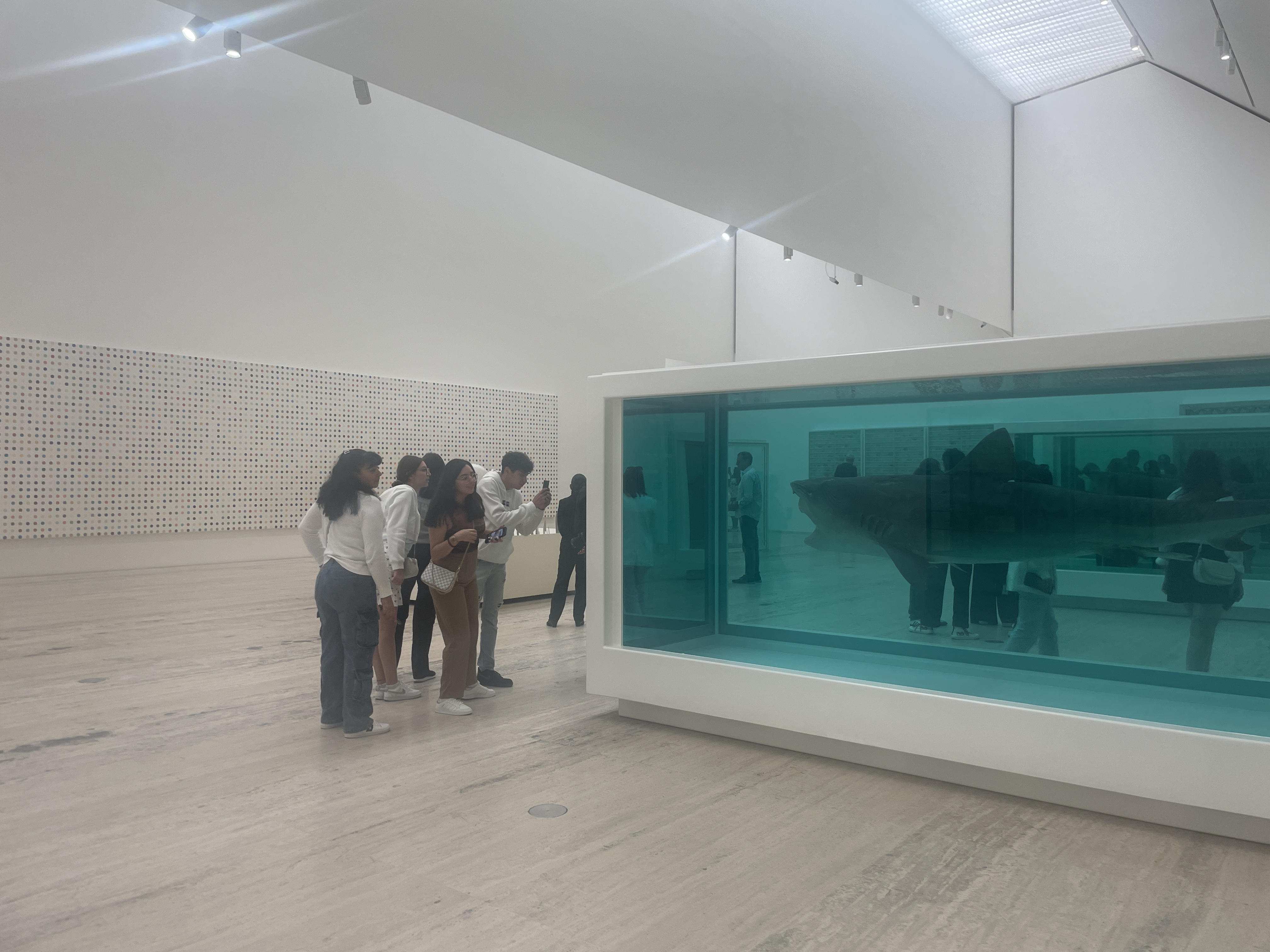
DAMIEN HIRST: TO LIVE FOREVER (FOR A WHILE) Museo Jumex, CDMX
The textbook started in 1970. That's the conventional boundary — contemporary art is generally defined as 1970 to the present. But the present keeps moving. It's 2026. Fifty-six years of living, breathing, arguing culture, and we're still calling it contemporary because the academic apparatus hasn't caught up. Contemporary art is, by definition, the category of things not yet solidified. Not yet the subject of doctoral dissertations or monographs at Barnes and Noble. Not yet decided.
That instability is the point. And it's where most people misread what museums actually do.
I spent the early part of my career inside institutions. The Wadsworth Atheneum. The Aldrich. Grace Farms Foundation. I learned there how to evaluate a work of art before it ever becomes a transaction — what quality looks like, what meaning looks like, what endures. I'm glad I did. But I also learned something about the limits of the institutional perspective.
Here's the thing about museums: they are built on the courage of collectors and patrons who were onto something while the artists were still alive. Every major collection, every legendary donation, traces back to the same story. A neighbor. A chance encounter. A small studio, early support, the right person in the right room at the right time. The Rockefellers. Peggy Guggenheim. The Tremaines. Herbert and Dorothy Vogel. None of them were waiting for institutional validation. They were responding to something they saw in front of them, something unresolved and alive.
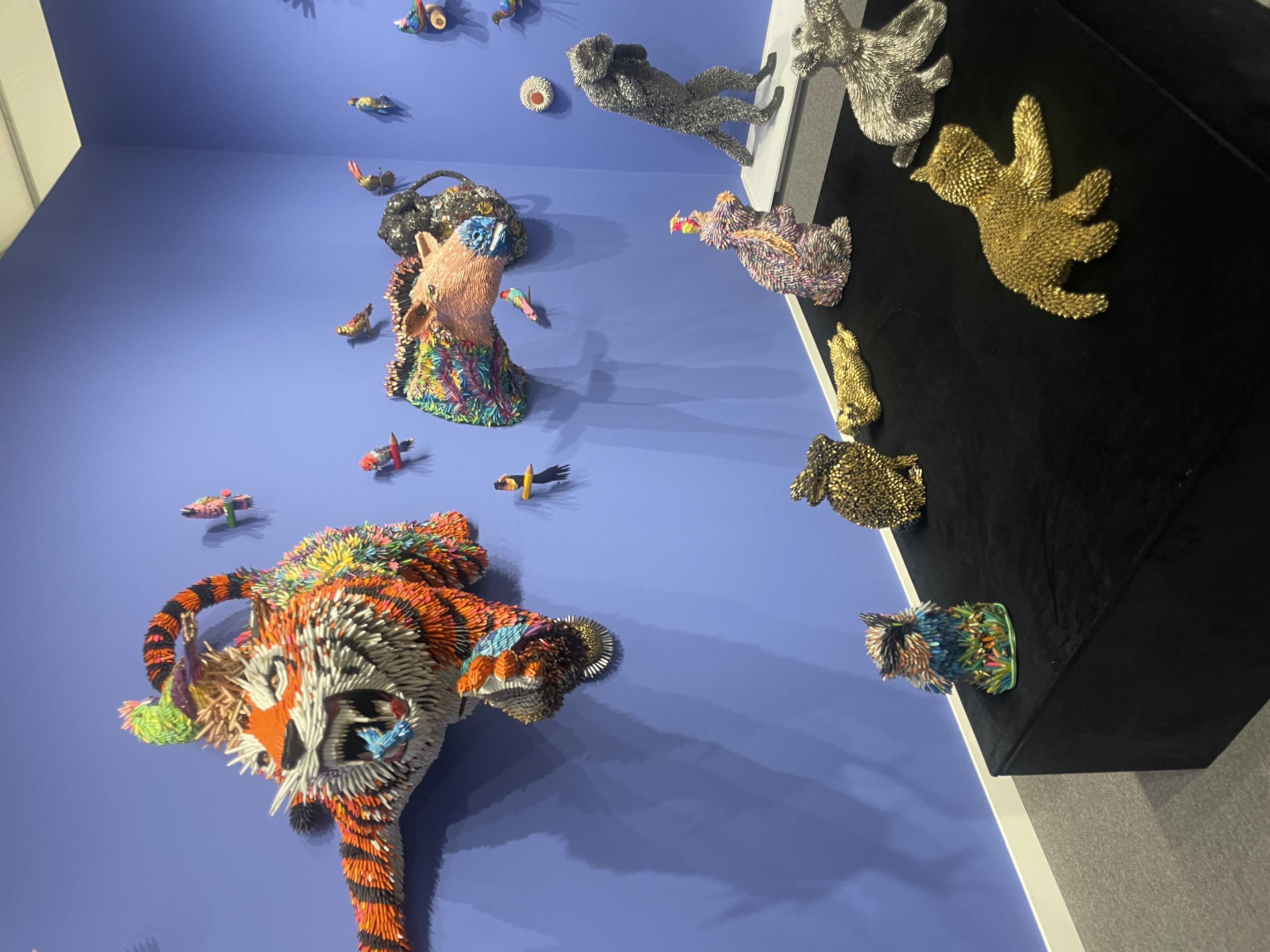
Federico Uribe at Art Miami
The way I think about it: the artist builds the runway. They lay the tarmac, describe its conditions — which direction it faces, whether it deals in ice and sleet and tumultuous weather, whether there's a harsh bank to the right. The collector builds the plane. They say: this is worth more than a location on a map. This is worth traveling. And the museum is when the plane takes flight.
All three matter. The ecosystem is cyclical — museum acquisition feeds future auction results, which feed future collectors, which feed future artists. It's symbiotic. Without patrons, we don't have Basquiat. We don't have Warhol or O'Keeffe or Dali. We don't have Caravaggio or Michelangelo or Artemisia Gentileschi. None of it exists without someone who said yes before it was obvious to say yes.
Museums are the stewards of that narrative. They have a power that individual collectors don't — they endure across generations, long after the patron's estate is settled and the children have moved on. That is not a small thing. That is a sacred thing.
But here is where I have to be direct: a museum is a mausoleum to culture.

Walking into The Guggenheim, NYC
I don't mean that as an insult. A mausoleum is a revered place. It honors what has come before with care and permanence. But you do not go to a mausoleum to understand what is alive.
To look at a museum and say this is what is correct, right, advanced, important — that is a misreading of what you're looking at. A museum shows you what has already been decided. The arguments are over. The consensus is in. What you're seeing is the official record of taste and meaning as it was understood by the people who had power at a particular moment in time.
Art history is not the museum. Art history is being written right now. This very moment, as you read this.
What's living and breathing in the market — what collectors are staking real money on, what galleries are betting their programs on, what artists are building their careers around — that is the actual record. That is where the serendipity and courage and taste and risk are happening in real time. The commercial market is not the corrupt alternative to the institution. It is, in many ways, the more honest account of what a culture believes in while it is still alive enough to disagree.
Whether you're a collector, a curator, a writer, a dealer, or an artist — you are participating in that record right now. Most people miss this. They're waiting for some future authority to tell them what mattered.
You are the authority. You're just early.
