
Art Collecting 101: PART III — How to Buy (Without Feeling Intimidated)
Questions you should be asking galleries, advisors, and of the process.
You've probably hear the term buyer's remorse.
But what I experience, in droves, is buyer's timidity.
Its usually right after someone decides they're ready to buy, where everything suddenly feels more complicated than it did five minutes before.
The room changes; work feels different… even the act of asking a question starts to feel like it carries weight.
This is where intimidation sets in—not because anything has actually changed, but because now there's something at stake.
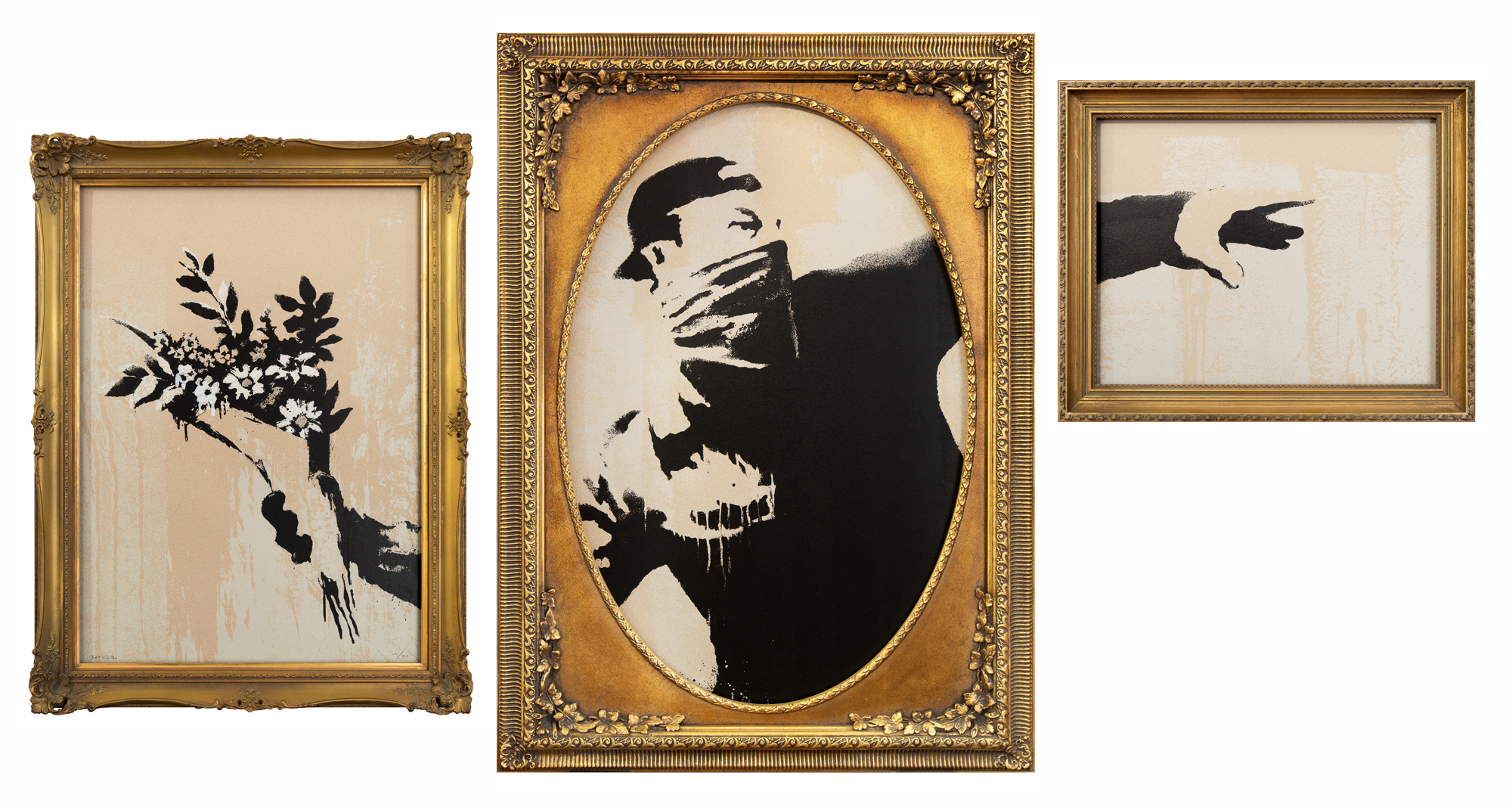
Banksy, Flower Thrower Triptych (Grey) (VIP), 2019, (/300). Screen printed triptych on micron board.
A gallery, at its best, is not a test.
You are not expected to know everything. You are not expected to say the right thing.
You're expected to be curious.
And more importantly, to be honest about what you're responding to.
I'm serious. The more real we can be in conversation, the easier the pathway becomes to finding the right work, right artist, and right timing for you as an individual or family.
I imagine its the same way doctors must feel when I tell them I've googled my symptoms, so I have an idea what's wrong with me... eye roll
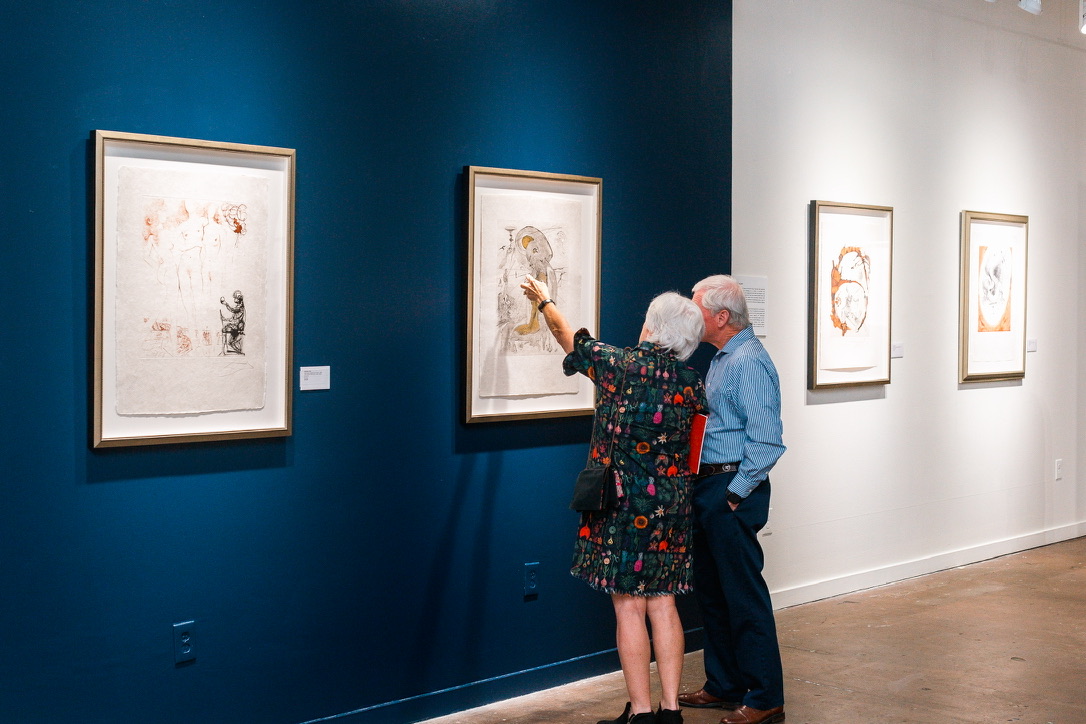
The most useful conversations I have with collectors aren't the most informed ones.
They're the most specific ones, generally around these themes:
Not "Tell me about this artist's accolades" But "Why does this feel different from the others?"
Not "Is this important to other people?" But "Why does this matter to me?"
Those questions open something.
Because they move the conversation away from performance or popular opinion toward understanding and personal resonance.
Let me say this loudly for the people in the back:
STOP BUYING ART BASED ON POPULAR OPINION.
We live in an attention economy wherein likes, reshares, comments, and even ROI are glorified over… I love/believe in/resonate with this.
When it comes to conversations with gallerists, advisors, artists, and dealers, there are a few things worth asking that can help you narrow down the "I love/believe in/resonate with"
Why this work exists. Why this artist creates. Why this moment—this body of work, this exhibition—is significant.
Not as a checklist. But as a way of understanding what you're stepping into.
There's also a quiet negotiation happening in most people's minds.
Can I ask about price?
Can I negotiate?
Am I supposed to decide immediately?
The answer is simpler than it seems.
You can always ask. You don't always need to negotiate. And you should never feel rushed into something you don't fully understand.
But—and this matters—you also can't hesitate indefinitely.
Because the work you're drawn to will not always be there.
Ultimately, at this stage of building a collection, trust becomes the deciding factor.
And not blind trust.
But a sense that the person you're speaking with is helping you build something—not just complete a transaction.
You feel it quickly when it's there AND you feel it even faster when it's not. If you feel like you have to perform, you're in the wrong conversation.
If you feel like you can ask anything—even the question you think might sound naive—you're exactly where you need to be.
Because buying art isn't about getting it right.
It's about getting closer to understanding why something matters to you—and deciding, in real time, whether to follow that instinct or walk away.
Both are valid.
But only one builds a collection.
Continue The Conversation
What feels most intimidating about walking into a gallery or starting a conversation?
Have you had a great—or not great—experience with a dealer or advisor? What made it that way?
What's a question you've wanted to ask, but haven't?
