
Welcome to ART IN DETAIL
Art, memory, and the power of paying attention
We have too much stuff.
Not just objects — images, trends, noise, things competing for our attention every day. We scroll, save, buy, discard, repeat. We consume culture the same way we consume products: quickly, impulsively, without always asking why something resonates or lasts.
But some things stop us.
A photograph that feels familiar, a room that feels intentional, or an artwork that holds a memory you can't quite explain.
Those moments are never random.
In grad school years ago, I wrote an essay called Scopophilia & Memory. It explored how objects carry meaning beyond their function — how we project identity onto the things we own, and how memory lives not just in our minds, but in what we touch, see, and keep. Even then, I was trying to understand why certain images and objects stay with us long after others disappear.
That question has followed me ever since.
I was the kid who ate lunch in the library — reading Tolstoy and Kerouac in an attempt to outrun my sleepy small town. I found old posters of History's Great Artists — Klimt, Duchamp, Monet, Matisse, Van Gogh, Kahlo, Cézanne — and begged my librarian to let me borrow them.
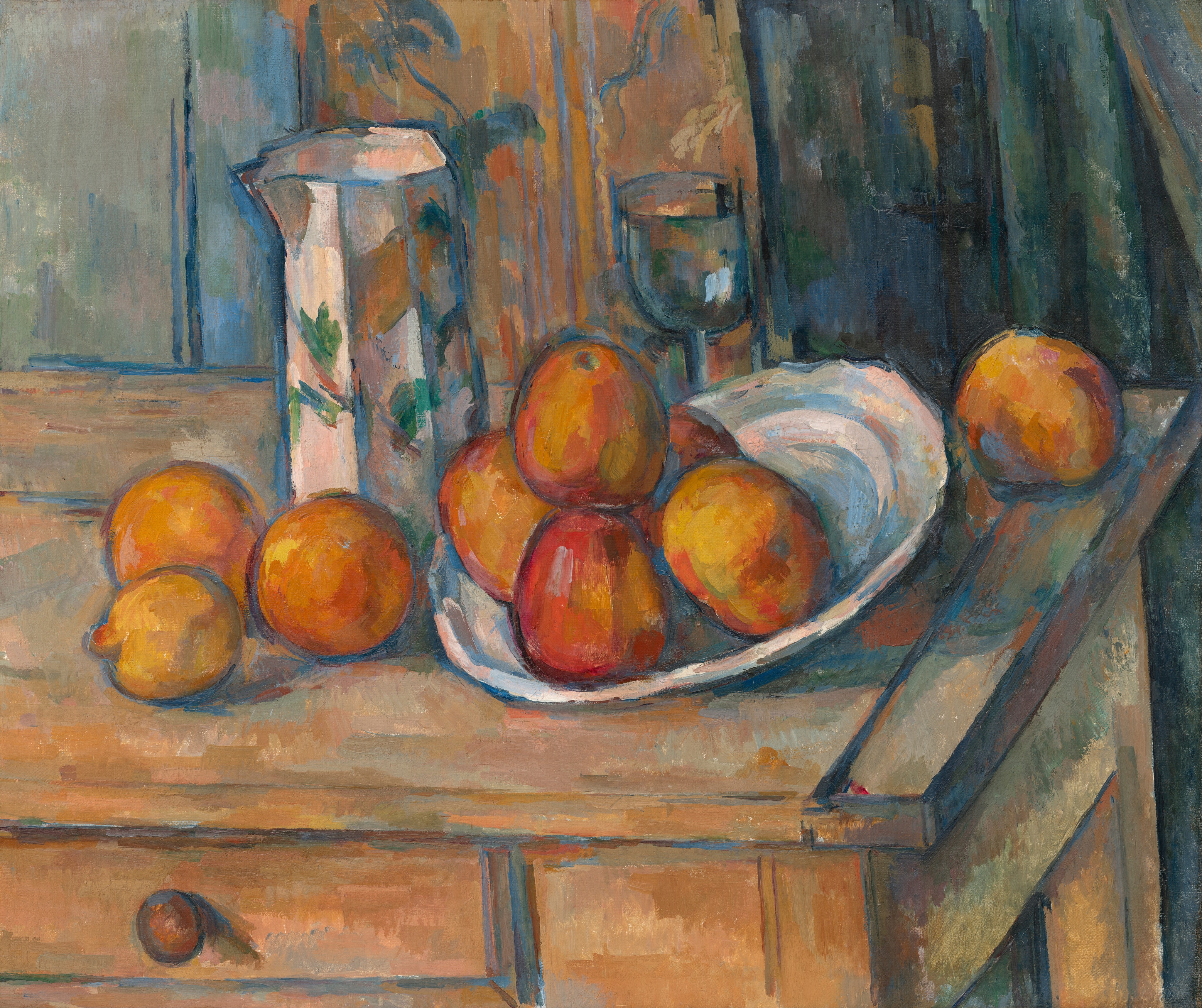
Paul Cézanne, Still Life with Milk Jug and Fruit, c. 1900
Through studying art history, working in museums, curating exhibitions, and building collections with clients, I've learned that what we're drawn to usually carries meaning far beyond aesthetics. Objects shape identity. Images hold memory. Design reflects how we live.
Yet as a young wannabe curator (read: advisor meets scholar meets confused young art enthusiast), I had no idea where to start. There were dusty tomes in each library I devoured, each becoming more outdated by the day. I devoured magazines like Art in America, The Art Newspaper, Artforum, and Hyperallergic in the hopes I could gain a valid foundation upon which I would discover the next chapters of art history. It was exhausting, relentless, and only served to heighten my perception of what had been agreed upon by bygone critics, collectors, and dealers.
THIS, however, was invaluable.
Because it turns out that understanding the past sharpens our visual memory. It teaches us how to look — not just at what's new, but at what's being repeated, revised, resisted, or quietly resurrected. The longer you sit with images, the more you recognize their echoes. You begin to see how contemporary culture is in constant conversation with what came before it, whether it admits it or not.
You stop asking what's important because someone else said it was. You stop chasing consensus. You start trusting your eye — informed by history, yes, but guided by instinct. You notice patterns across disciplines: how a fashion silhouette mirrors a modernist sculpture, how sports photography borrows from classical composition, how interiors reflect the same desire for control, comfort, or escape that artists have always grappled with.
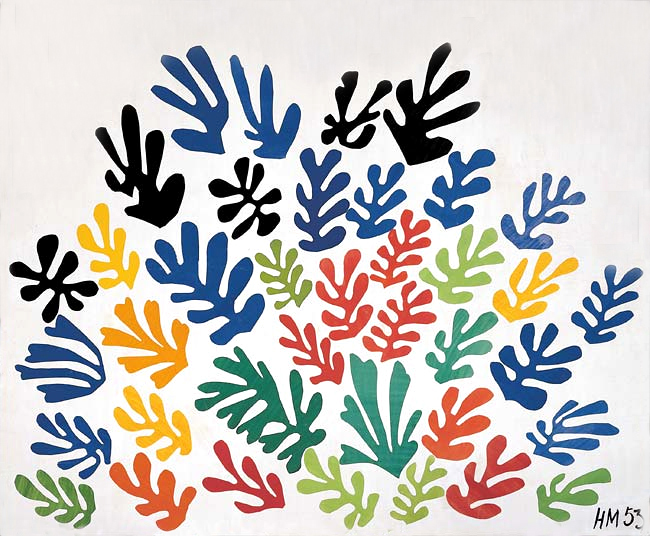
Henri Matisse, La gerbe, 1953
This is why certain works endure. Not because they're rare or expensive or widely agreed upon — but because they activate something deeper. They ask us to look again. To feel something. To remember.
That instinct — the desire to understand why something holds us — is what ultimately led me here.
That's where ART IN DETAIL comes in.
This is a space for slowing down and looking closer at the visual culture around us — art, design, fashion, sport, interiors, everyday objects — and the systems of meaning behind them. Why certain images endure. Why some styles return. Why what we surround ourselves with quietly tells our story.
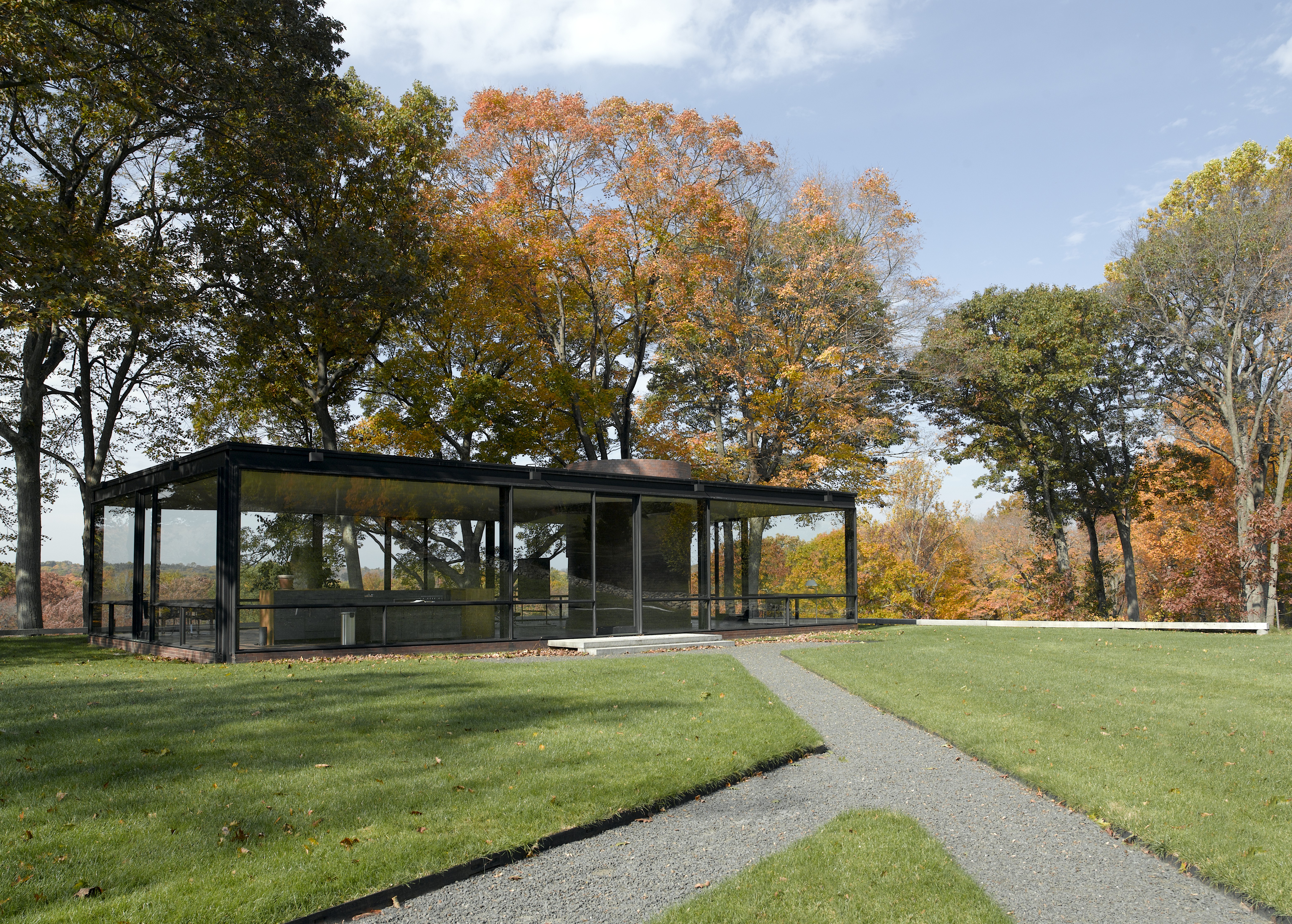
Glass House in New Canaan, Connecticut, US. Designed by Philip Johnson, 1949.
I'm Allee Beatty — a gallery director with a BA in Art History and an MA in Museum Studies — but more than anything, I'm someone fascinated by how culture shapes identity and how objects become part of our lived experience.
ART IN DETAIL isn't about having more. It's about that heart-wrenching, mind-consuming, world-bending grip the cataclysmic act of creation can have on us.
If you love thoughtful design, meaningful art, and the stories embedded in visual culture, you're in the right place.
Welcome — I'm so glad you're here. — Allee
